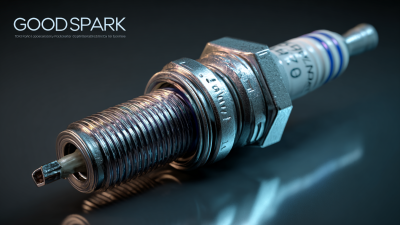
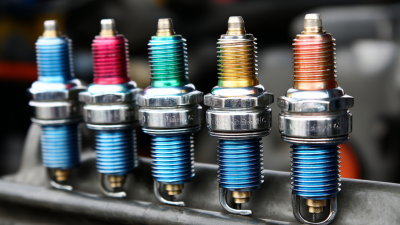
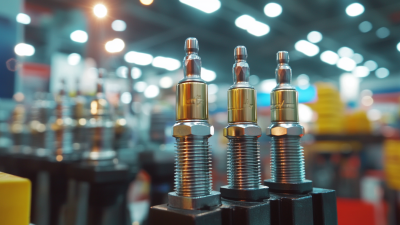
When it comes to stationary gas engines, ignition systems are pretty much the backbone of keeping things running smoothly and reliably. They're like the heartbeat of the combustion process — creating that crucial spark needed to light up the air and fuel mixture, which powers the engine efficiently. At TECHIE Inc., we're really passionate about making top-notch ignition systems. We cover over 95% of different gas engine models out there—think GE Jenbacher, MWM, CAT, and more. But it’s not just about the products; we also pride ourselves on being a one-stop shop for all gas engine spare parts. We want to make sure our customers get all the support they need when it comes to their ignition systems. Understanding how these systems work is pretty important if you’re involved with running or maintaining gas engines. After all, a good ignition system is key to keeping your engine performing at its best—and that’s what we’re here for.
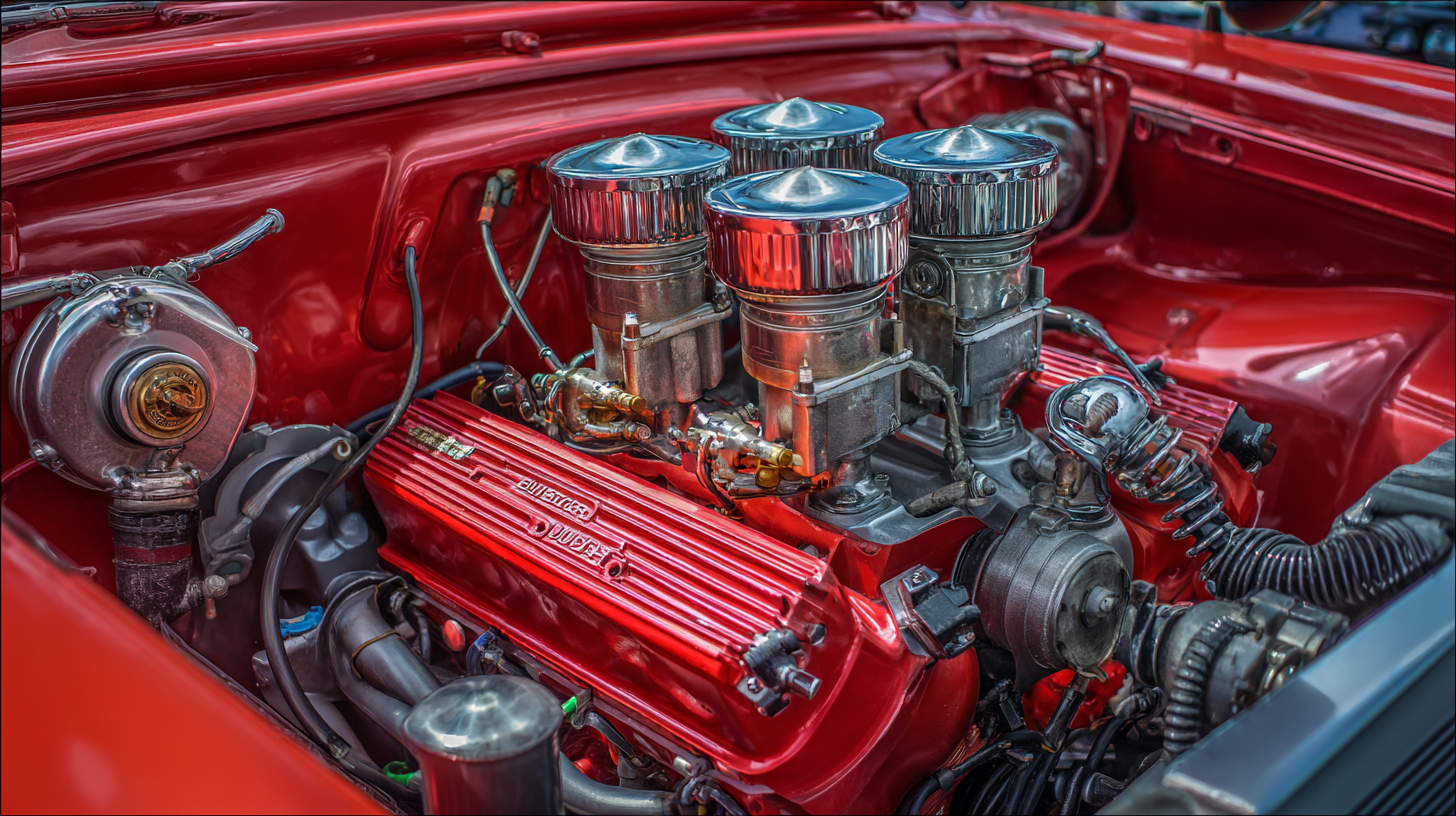
Understanding the Basics of Ignition Systems and Their Functionality
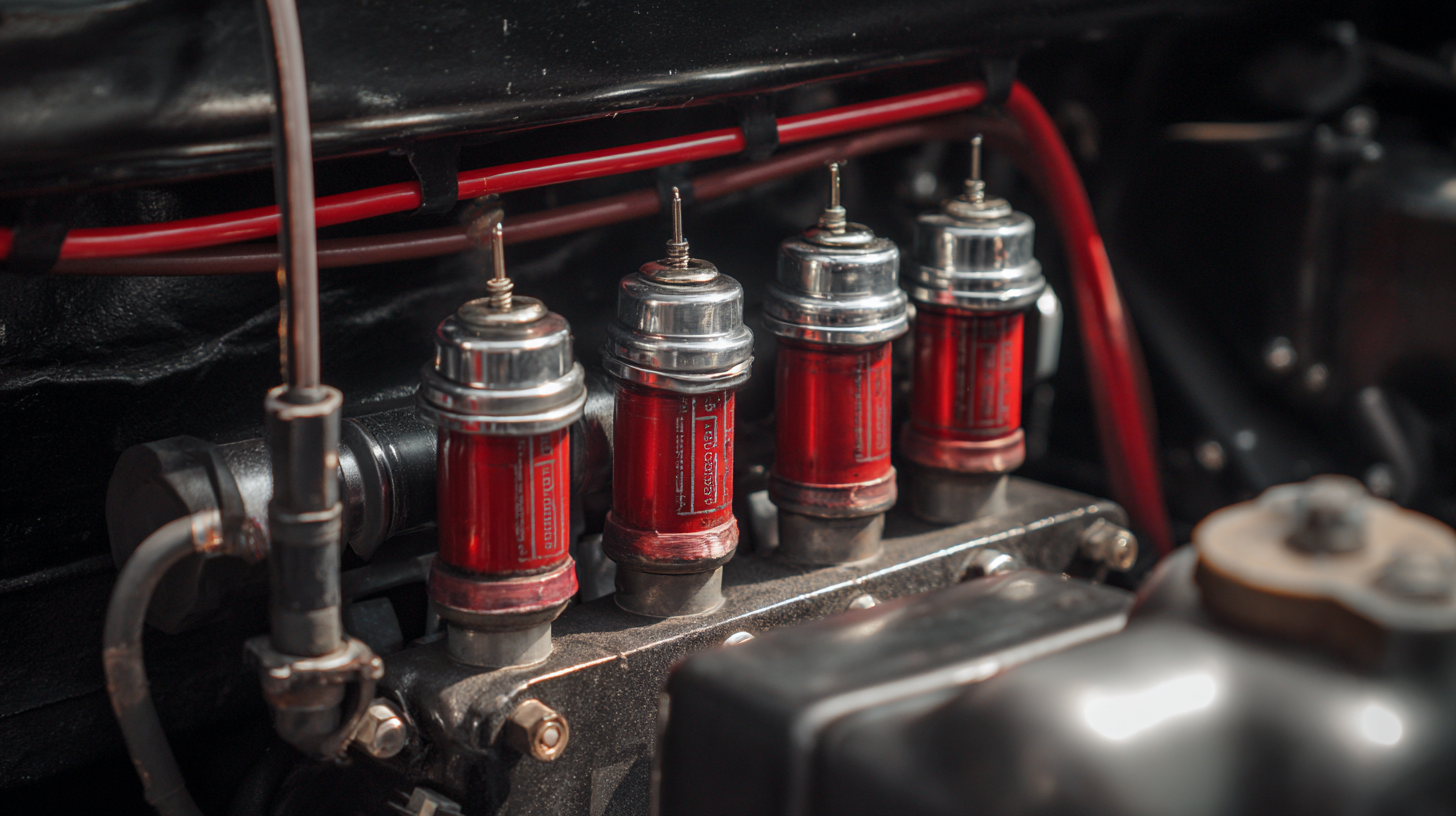 Ignition systems are pretty much the heartbeat of internal combustion engines. Without them, your engine's not going to run properly. Basically, these systems are responsible for sparking the air-fuel mixture inside the cylinders, which is what gets your engine moving. They’re made up of a bunch of parts—like spark plugs, ignition coils, and distributors—that all work together to get that combustion happening smoothly. Getting to know how these pieces fit can actually help you keep your car running well longer and avoid those annoying breakdowns.
Here’s a little tip: make it a habit to check your spark plugs from time to time. Worn-out plugs can really mess with your engine’s performance. And don’t forget about the ignition coils—they need to be working right so they can send the right amount of voltage to the spark plugs. A quick peek under the hood might just save you a trip to the mechanic later on, saving you some cash and hassle.
Oh, and one more thing—timing. Getting the ignition timing just right is super important. If it’s off—either too early or too late—you might notice your engine running rough, using more fuel than it should, or even knocking. If you're not entirely sure everything’s in perfect shape, it’s a good idea to have a pro take a look now and then, especially if your engine isn’t running quite right or you spot any odd behaviors.
Key Components of Ignition Systems: A Breakdown of Each Element
Ignition systems are pretty essential when it comes to how well your engine runs and how efficiently it uses fuel. At the core of these systems, you'll find a few key parts, all working together to keep the engine going smoothly. Take the spark plug, for example—that little guy is crucial because it fires up the air-fuel mixture inside the cylinders. It creates a high-voltage spark that kickstarts combustion, making your engine run properly. If you keep an eye on your spark plugs and replace them when needed, you can avoid misfires and even boost your gas mileage.
Then there’s the ignition coil—this part takes the small current from your battery and boosts it up to the high voltage needed to produce that spark. There are different types of coils out there, like the traditional ones and newer coil-on-plug setups, each with their own perks. And don’t forget about the ignition control module or distributor; they’re basically the timing bosses, making sure the spark fires at just the right moment during the engine’s cycle.
When you understand how these bits work, it’s easier to see why they’re so important for keeping your engine running smoothly and lasting longer. Plus, it’s pretty satisfying to know how all the pieces fit together to keep your car moving!
The Role of Ignition Timing in Engine Performance and Fuel Efficiency
You know, ignition timing is kind of a big deal when it comes to how your engine runs and how much fuel it uses. Basically, it's all about finding that sweet spot—the exact moment the spark plug fires to light up the air-fuel mix inside the cylinder. When everything's dialed in just right, your engine runs smoother, puts out more power, and keeps emissions in check. But if the timing’s off? Well, that’s when you get knocking, more puffing from the exhaust, and your gas mileage tanks. Bummer, right?
One good tip? Make a habit of checking and adjusting your ignition timing regularly, following your car maker’s recommendations. It’s a simple thing that can save your engine from unnecessary wear and tear and keep things running nicely. Also, using decent quality fuel can really help things burn better and keep that timing just right.
And don't forget—if you've done any upgrades like adding performance chips or tweaking your intake and exhaust systems, those changes might mess with your ignition timing. In those cases, it’s a smart move to get a professional to help you recalibrate everything. Otherwise, you might end up with a sluggish engine or worse. Bottom line: when you make big modifications, don’t just guess—get it checked out so your car keeps running at its best.
Common Ignition System Issues and Their Impact on Vehicle Reliability
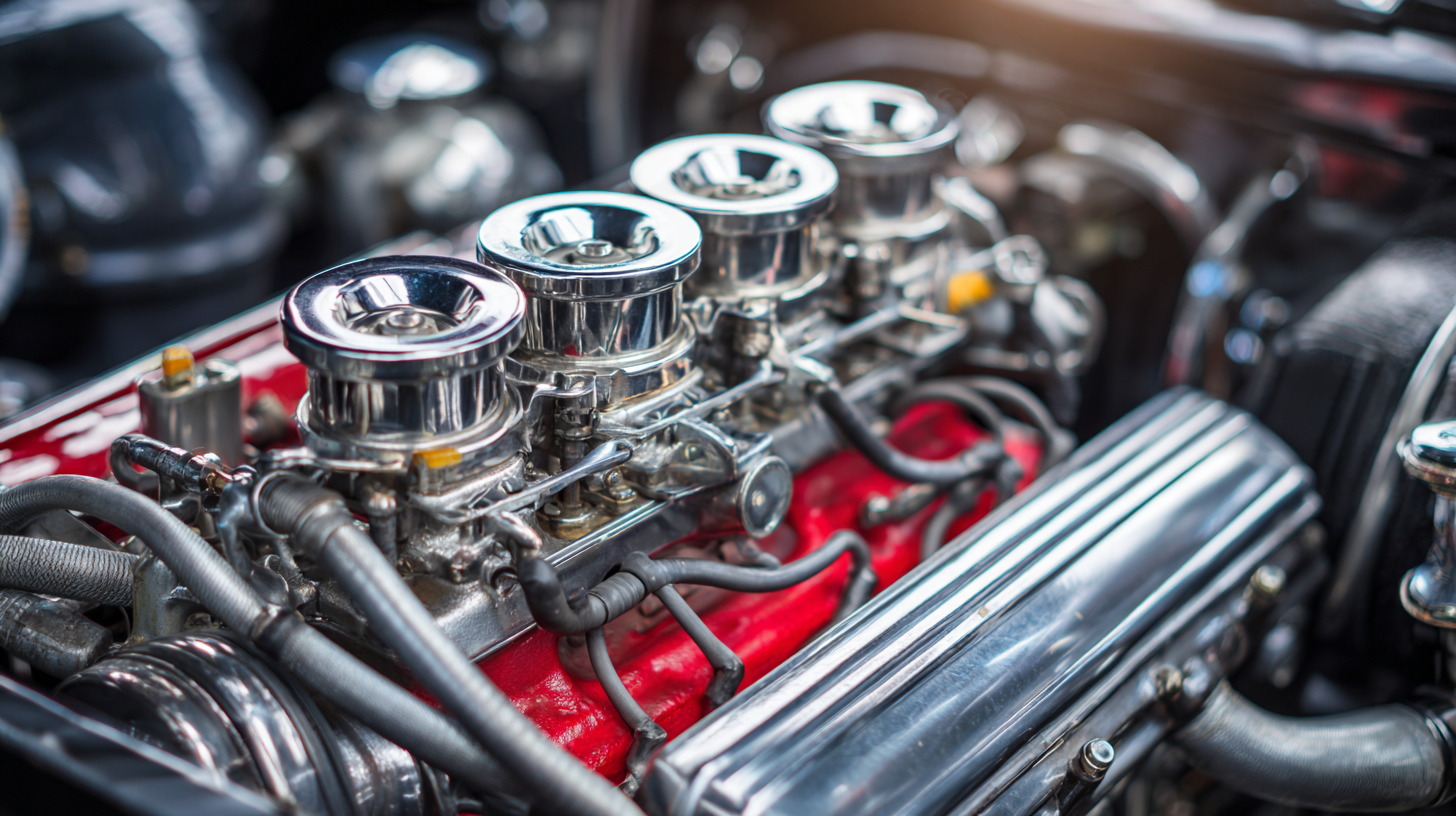
Your ignition system might not be the flashiest part of your car, but trust me, it’s pretty much the heart of how well your vehicle runs. When things go wrong with it, it’s not just a minor annoyance—your car could lose efficiency, and worse, you risk damaging other engine parts. Common culprits are worn-out spark plugs, failing ignition coils, or messing up the ignition timing. These problems can lead to engine misfires, lower fuel economy, or even stalls at the worst times. Not exactly a fun ride, and if you ignore these issues, they might end up costing you a lot more in repairs.
If you notice things like having trouble starting your car or it running rough when it’s idling, don’t just brush it off. These signs are basically your car’s way of saying, “Hey, something’s up!” Doing regular check-ups can catch these issues early on, so your car keeps running smoothly. Ignoring these red flags can quickly turn into bigger headaches down the line. The good news is, if you stay on top of replacing worn-out parts when needed, your vehicle will last longer, run better, and you’ll enjoy driving it more—safer, smoother, and just plain more reliable overall.
Recent Advances in Ignition Technology: What to Expect in the Future
Lately, there’s been some pretty exciting progress in ignition tech, and it’s really shifting how we think about making fuel systems that are both more efficient and eco-friendly. For example, the development of electrically controlled solid propellants, or ECSP for short, is a game-changer. It’s all about fine-tuning the power supply so that rockets can manage their start-stop actions and burning rates with much more precision. Not only does this boost performance, but it also kind of opens up a bunch of new opportunities for space missions—and who knows, maybe even for other industries down the line.
Plus, there’s some really cool stuff happening with laser ignition systems, especially for hydrogen-rich fuels. These could be a pretty neat alternative to the traditional spark systems we usually see. It’s all part of evolving ignition tech to work better with cleaner fuels like hydrogen, which, let’s be honest, is likely to be huge when it comes to cutting down carbon emissions. As industries get more serious about renewable energy and innovative propulsion options, it feels like we’re on the cusp of some major breakthroughs that could lead to cleaner, more efficient energy solutions we’ve only dreamed of yet.
Recent Advances in Ignition Technology
Best Practices for Maintenance and Troubleshooting Ignition Systems
Taking care of your ignition system is a pretty big deal when it comes to keeping your engine running smoothly and lasting longer. Regular check-ups can really save you from issues like misfires or wasting fuel—that stuff can seriously mess with your car’s performance. The Automotive Maintenance and Repair Association even says that a well-kept ignition system can boost your engine’s performance by up to 20%. That’s a pretty good reason to stick to the maintenance schedule!
Here's a handy tip: make it a habit to check and swap out your spark plugs every 30,000 miles or so. Worn-out or dirty spark plugs not only make it tough to start your car but also hit your fuel economy hard. Also, don’t forget to check your ignition coils—about 70% of ignition problems trace back to coil issues, so keeping those in check can save you a lot of headaches.
Troubleshooting your ignition system can actually save you some major cash and time. A quick way to see what’s going on is to plug in an OBD-II scanner. It can read error codes and give you clear clues about what might be acting up. The Society of Automotive Engineers mentions that using these diagnostic tools, you can fix up to 90% of ignition-related issues pretty fast, especially if you know how to use them.
And here’s another tip—pay attention to your ignition wires. Cracked or frayed wires are sneaky—they can cause misfires and other performance issues. Replacing them every now and then keeps everything running smoothly and helps avoid bigger problems down the line.
FAQS
: Common issues include worn-out spark plugs, faulty ignition coils, and problems with ignition timing, which can lead to misfires, poor fuel efficiency, and stalling.
Symptoms may include difficulty starting the engine, rough idling, and reduced overall vehicle performance.
Regular maintenance helps identify ignition system issues early, preventing further complications and ensuring smooth vehicle operation.
Ignoring these issues can lead to more serious problems and costly repairs, impacting vehicle reliability and safety.
Proactively replacing worn parts enhances vehicle reliability and longevity, providing a safer and more enjoyable driving experience.
Recent advances include electrically controlled solid propellants (ECSP) and laser ignition systems, focusing on efficiency and sustainable fuel options.
ECSP allows for precise management of start-stop sequences and propellant burning rates, improving overall efficiency.
They are being explored for hydrogen-enriched fuels, offering a potentially cleaner alternative to traditional Spark Ignition Systems.
Cleaner fuels like hydrogen are expected to be key in reducing carbon emissions and advancing ignition system technologies.
It highlights the need for innovative propulsion methods and renewable energy sources, paving the way for more efficient and sustainable energy solutions.
Conclusion
Ignition systems really play a crucial role when it comes to keeping stationary gas engines running smoothly. They're pretty much the heartbeat of the engine—directly affecting things like how well the engine performs, how much fuel you use, and how reliable the whole setup stays. If you get a handle on the basics—like understanding the main parts and how they work—it can make a big difference in squeezing the most out of your engine. Things like ignition timing are especially important, since they can impact both performance and fuel savings. And, honestly, being aware of common issues with ignition systems can save you from headaches down the line, helping you catch problems before they turn into costly repairs.
Here at TECHIE Inc., we’re all about providing a wide range of ignition systems—covering over 95% of gas engines out there, including popular brands like GE Jenbacher, MWM, and CAT. We're constantly keeping up with the latest tech advances, so our customers get the best and most efficient solutions available. Plus, we also share practical tips for maintenance and troubleshooting, so your engine stays in top shape. Basically, we're your go-to place for both ignition systems and spare parts for gas engines—making sure your setup runs smoothly and reliably.