Leave Your Message
You know, in the fast-changing world of the global engine market, it’s really important for buyers to get a good handle on how to work with Engine Dealers if they want reliable solutions. There’s this report from MarketsandMarkets that says the global engine market is set to hit a whopping $178.88 billion by 2025! Crazy, right? This growth is mainly fueled by the rising demand for energy-efficient engines in all sorts of applications. With that in mind, buyers have to sort through a pretty complex web of suppliers to make sure they’re picking up quality products that actually fit their operational needs.
Now, Engine Dealers are super important in this whole supply chain. They don’t just sell engines; they offer vital parts and aftermarket services that can really make a difference in a company's efficiency and productivity.
Take manufacturers like TECHIE Inc., for instance. They're really leading the charge in ignition system tech for stationary gas engines. That means buyers can find a complete range of solutions for popular models like GE Jenbacher, MWM, and CAT. TECHIE Inc. covers over 95% of different gas engines, which gives buyers a solid ground to make smart choices when picking Engine Dealers. As we all know, having a reliable ignition system is key to getting the best performance out of an engine. So, understanding what Engine Dealers offer and being aware of the market dynamics is super crucial for buyers looking to get the best bang for their buck and solid support for their investments.
The engine market is undergoing significant transformations driven by technological advancements and evolving consumer demands. Global buyers must stay informed about key trends shaping the industry to make educated purchasing decisions. One of the most notable trends is the accelerated shift towards electric and hybrid engines, propelled by stricter emission regulations and a growing emphasis on sustainability. As manufacturers innovate, the production of more efficient and environmentally friendly engines is becoming a focal point, signaling a decrease in demand for traditional combustion engines. Additionally, the rise of digital platforms has revolutionized how buyers interact with engine dealers. Online marketplaces and digital inventory management systems provide buyers with unprecedented access to a wide range of options, enabling them to compare prices, specifications, and reviews with ease. This shift not only enhances transparency but also fosters competition among dealers, benefiting buyers seeking the best deals. Forecasts indicate that the global engine market will continue to expand as emerging economies invest heavily in infrastructure and transportation. Investors and buyers should keep an eye on regional developments, particularly in Asia-Pacific and Latin America, where demand for engines is expected to surge. Understanding these dynamics is crucial for making strategic decisions in a rapidly evolving market.
Choosing the right engine dealer? Yeah, that's a pretty big deal for buyers around the world, especially in such a cutthroat market. Given how fast engine technology is changing and what customers are looking for these days, there are definitely some key things to keep in mind if you want to find a dealer that really gets what you need.
First off, it’s super important to check out the dealer’s reputation and reliability. You want to go with someone who has a solid history of happy customers and honest business practices. Digging into reviews, hunting down testimonials, or even just chatting with past clients can really shed some light on what a dealer is all about. Plus, the more established dealers usually have better connections with manufacturers, which can mean nicer prices and better support for you.
On top of that, you gotta think about what kind of inventory the dealer has and if they can get their hands on the latest engine tech. In today’s competitive scene, having a wide array of choices is key if you want to stay one step ahead. Dealers that keep their stock fresh with the latest engines and parts are really showing they’re committed to meeting the latest market demands. And let's not forget—having good service support, solid maintenance plans, and easy access to spare parts can really make your buying experience a lot smoother, making it way easier to keep your engines running well.
So, when you zoom in on these important points—like their reputation, the variety of inventory, and how good their service is—you’ll be able to navigate the tricky world of engine dealers and make smart choices that fit with your business goals.
So, when it comes to choosing engine dealers, it's super important for international buyers to really get a handle on the dealer's reputation. We're talking about reliability and quality here! Some fresh industry research really highlights how crucial this reputation thing is in making buying decisions. Did you know that about 70% of buyers identify dealer reputation as a major factor in their decisions? That says a lot! It shows that seasoned buyers really value forming partnerships with dealers who have a solid track record of ethical practices, great customer service, and dependable performance.
And let's not overlook customer feedback and those all-important performance metrics. They can really shed light on how a dealer is perceived. For instance, a survey from Engine World found that dealers who earn a rating of 4.5 stars or higher—thanks to customer reviews—tend to see a whopping 30% boost in both customer retention and referrals. That’s pretty telling! It suggests that having a strong reputation doesn’t just improve sales; it also builds those long-lasting relationships between buyers and dealers, which means buyers definitely need to think beyond just the initial price tag.
Plus, the annual Global Engine Dealer Survey shares that more than half (over 55%) of those surveyed think transparency and open communication are key to a dealer’s reputation. Dealers who make a point to openly share info about their products, service histories, and the latest trends in the industry usually bring in and keep more customers. So, for those global buyers out there trying to navigate the often tricky world of engine dealers, using industry stats to evaluate reputation is a really smart move. It helps ensure you're making informed choices and forming solid partnerships!
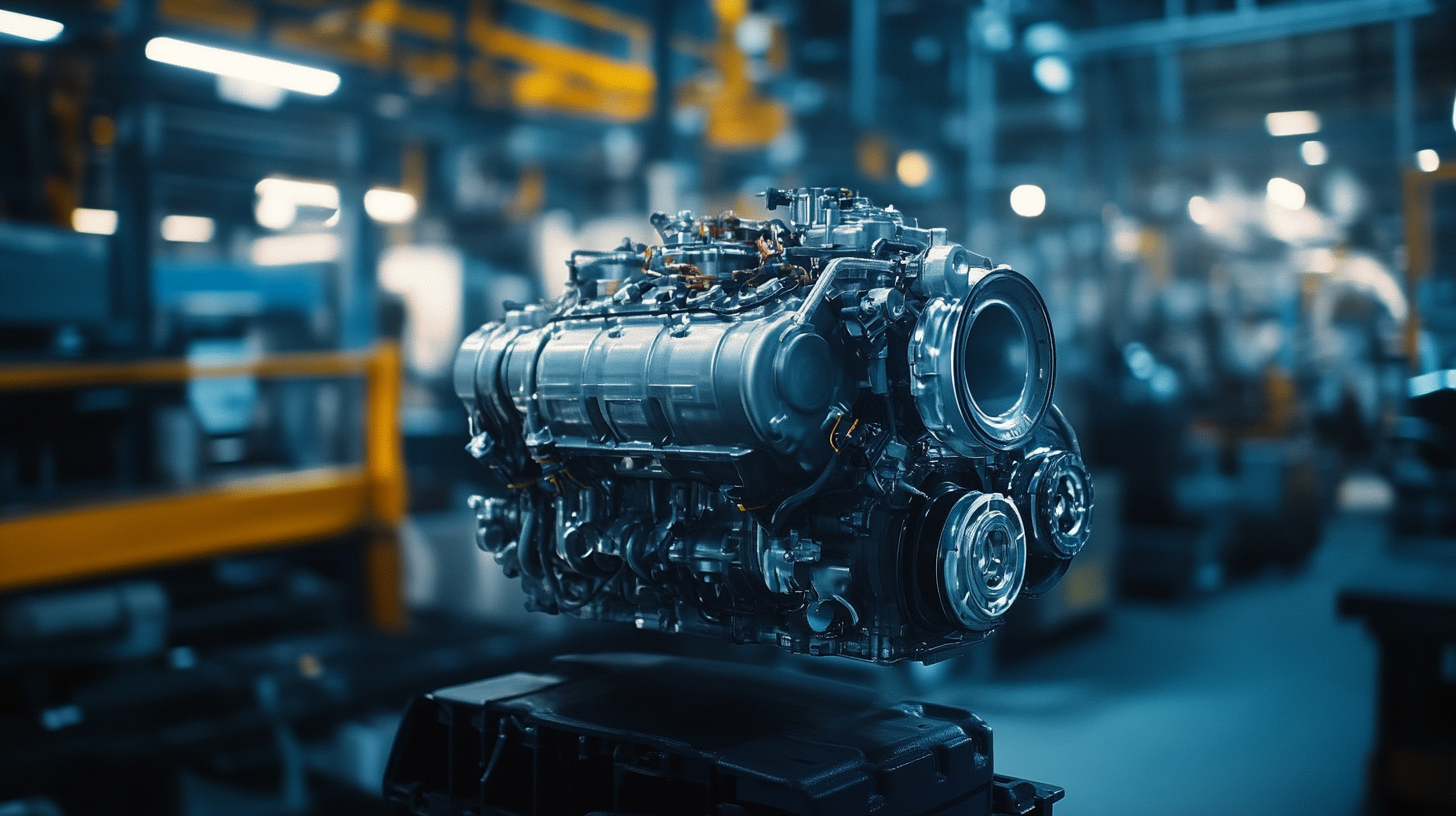
You know, the world of engine sales has been changing a lot lately, and one big thing that buyers around the globe really need to keep in mind is how prices can vary. Over the past few years, we've seen prices in the engine market swinging up and down due to a bunch of reasons, like rising raw material costs, hiccups in supply chains, and shifts in what people want. A report from MarketsandMarkets is projecting that the global engine market will grow at a rate of about 4.5%. That said, pricing can also fluctuate depending on where you are and the costs involved in making the engines.
It’s interesting to note that engines made in places like North America and Europe usually come with a pricier tag. Why? Well, it's because of the tough regulatory standards and the quality checks they have in place. On the flip side, emerging markets in Asia-Pacific are really ramping up their production, which is driving prices down. In fact, a study by Research and Markets points out that prices for certain engine types in Asia have dropped around 10% just in the past year—great news for buyers who are watching their budgets!
And as if that wasn't enough, there’s this whole movement towards electrification that’s adding even more layers to the pricing puzzle. With more folks looking to switch to electric engines, manufacturers are having to rethink their pricing strategies. The initial costs for electric components can be anywhere from 20% to 40% more than traditional engines. So, for global buyers, keeping up with these trends is going to be crucial for making smart buying choices.
You know, when it comes to engine dealerships, after-sales support is super important for buyers around the world. Sure, finding the right engine is a big deal, but what happens after you make that purchase can really affect how satisfied you are in the long run. It’s pretty interesting—stats show that if a dealership has strong after-sales service, customer retention could be boosted by as much as 50%! Buyers who pay attention to after-sales support usually find that things run a lot smoother for them, which means less downtime and, ultimately, more productivity.
But here’s the thing: not all dealers are created equal. The quality of after-sales support can really differ from one place to another. A recent survey even found that about 70% of buyers feel way more confident in their decisions when they know what kind of after-sales support the dealer offers. That confidence gets a nice boost when there’s clear info about warranties, spare parts, and technical help. So, if you’re in the market, it’s super important to check out a dealer’s after-sales setup. Dealers who really invest in that kind of support tend to build stronger relationships with their customers.
At the end of the day, while the engine is obviously key, we can’t overlook how crucial after-sales support is. It’s like your safety net, making sure you can rely on your investment over time. For anyone out there trying to navigate this complicated market, taking the time to really look into the post-purchase services can pay off big time—helping you keep things running smoothly and efficiently.
Buying engines can be a bit of a maze, you know? It's not just about knowing the specs and features; there’s also a whole world of regulations to keep in mind. If you're a global buyer, you'll need to get comfortable with the legal stuff that varies from one place to another. Those regulatory agencies really stress how important it is to stay compliant, and trust me, you don’t want to run into penalties. Staying on top of import and export rules can actually make the whole buying process smoother.
These days, we’re seeing a real shift in how cars are sold, moving towards direct sales models. This adds another layer of complexity for engine dealers who have to make sure their sales methods are in line with both federal and state laws. Just look at what's happening with zero-emission vehicle compliance! It’s becoming super important to understand those local rules, like California's Advanced Clean Truck Regulation, if you want to make smart buying decisions.
And let’s not forget about what’s going on in the aviation world. Recent acquisitions remind us that doing your homework is crucial. Knowing the ins and outs of legal and compliance issues around these acquisitions can really impact whether or not you can legally buy those engines. As regulations keep changing, keeping yourself updated is key. That way, you can navigate the market with confidence and make sure your buying choices are not just smart for your business but also compliant with the law.
Hey there! When it comes to engine technologies, sustainability is really a hot topic these days, especially for folks around the globe looking to make eco-friendly choices. This shift towards greener options isn’t just about keeping up with regulations—it's also smart business. It’s all about boosting that corporate responsibility vibe and polishing up brand images. Did you know that the International Energy Agency points out that transportation is responsible for almost 24% of global CO2 emissions? That's a pretty big deal and definitely highlights the need for better engine efficiency and alternative fuels.
You might find it interesting that the trend toward electric and hybrid engines is picking up speed faster than ever. A recent report from MarketsandMarkets predicts that the global electric vehicle (EV) market will skyrocket from about $162.34 billion in 2021 to a whopping $802.81 billion by 2027. That’s a crazy compound annual growth rate of 29%! This kind of growth really shows how consumer preferences are changing, pushing traditional engine dealers to rethink their game and start offering more sustainable options.
And here's the icing on the cake: the blend of artificial intelligence and predictive analytics in engine design is turning the whole industry on its head. According to Statista, AI in the auto sector is expected to rake in over $500 billion by 2023. These tech advancements not only make engines more fuel-efficient but also allow for real-time monitoring of performance, which helps cut down on emissions. So, as buyers dive into the engine market, keeping an eye on sustainability is going to be key in making smart choices. It's all about finding suppliers who are genuinely committed to innovative, eco-friendly solutions.
Hey there! You know, these days, engine dealers are really jumping on the digital bandwagon to step up their game and connect with more people. I came across this interesting report from MarketsandMarkets that points out how the e-commerce market for automotive parts and accessories is set to soar—from around $99 billion in 2021 to over $138 billion by 2026. That's a pretty big jump, right? It really shows how much folks are leaning towards online shopping in this industry. This whole shift isn’t just reshaping how dealers do their thing; it’s also changing how buyers all over the world experience the purchasing journey.
Let's be real: technology isn’t just a nice-to-have anymore; it’s essential for engine dealerships. With the help of data analytics, dealers can actually understand what their customers want and spot trends in their inventory. A survey from McKinsey & Company interestingly found that 62% of automotive execs believe digital sales models are going to be key to staying competitive. I mean, that’s a strong push for dealerships to really invest in solid digital platforms that not only help with sales but also let them offer personalized recommendations and better customer support.
And it doesn’t stop there! Advanced technologies like artificial intelligence and machine learning are starting to do wonders in dealership operations, making things smoother and faster. Deloitte even reported that 54% of automotive companies saw better efficiency thanks to digital tools. These platforms help dealers work more effectively, cut down on overhead costs, and speed up transactions—all of which is great news for buyers who want quick solutions when it comes to snagging engines.
Price variability in the engine market is driven by raw material costs, supply chain disruptions, and changing demand patterns.
The global engine market is projected to grow at a CAGR of 4.5%.
Engines from these regions often command higher prices due to stringent regulatory standards and quality assurance processes.
Increasing production capabilities in Asia-Pacific have led to competitive pricing, with prices for certain engine types decreasing by approximately 10% over the last year.
Manufacturers are reevaluating their pricing strategies for electric engines, which have higher initial costs—ranging from 20% to 40% more than traditional engines.
After-sales support is crucial, as it can enhance customer retention rates by up to 50% and significantly influence long-term satisfaction and operational efficiency.
Around 70% of buyers reported feeling more confident in their purchase decisions when informed about after-sales capabilities.
Evaluating a dealer's after-sales infrastructure is vital because those with comprehensive support systems often foster stronger customer loyalty.
Buyers who prioritize after-sales support experience smoother transitions, reduced downtime, and increased productivity.
After-sales support acts as a safety net, ensuring buyers can rely on their investments in the long run, impacting their overall decision-making process.